And the Evening
December 11 - January 15, 2024
Thew Smoak
51 Monroe Street,
New York
No items found.
51 Monroe Street,
New York
At the embankment of each day shores up a certain amount of intel: the people, places and objects that could be seen and named and crossed off lists, and then all those that couldn't. People you halfconsciously looked for in a crowd; places remembered by a smell or a feeling; objects that made themselves real to you – as real as anything – by their absence.
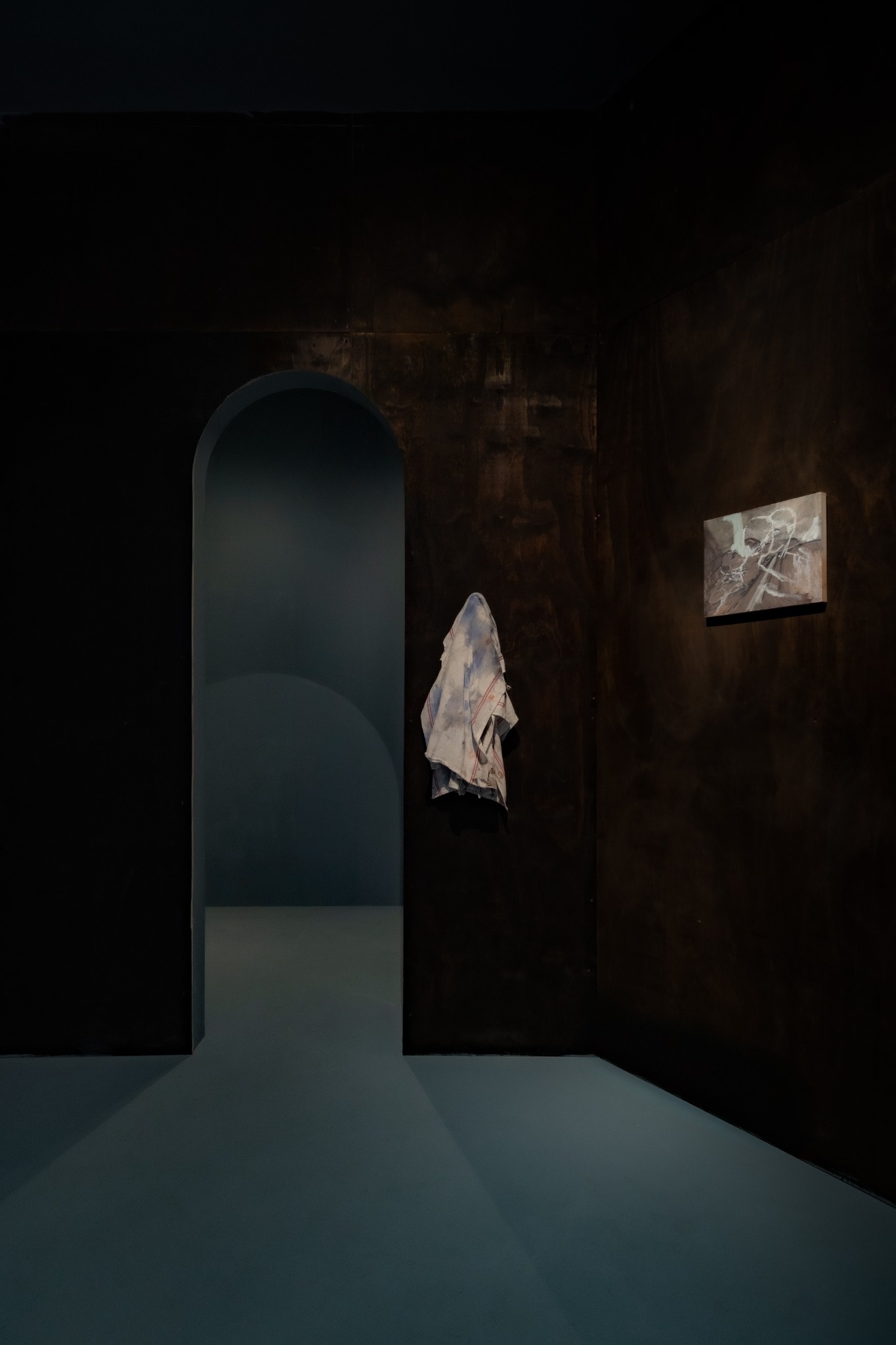
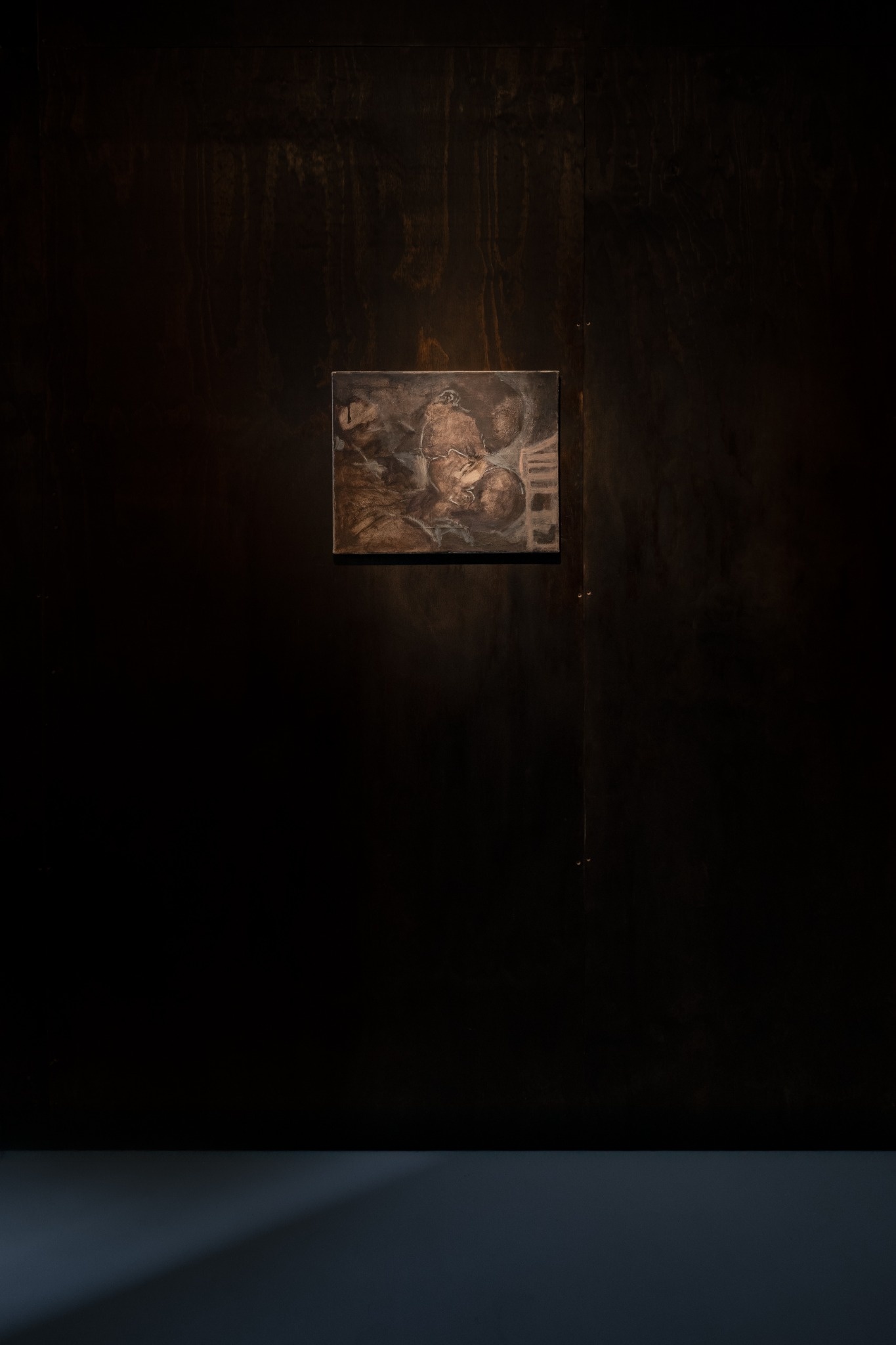
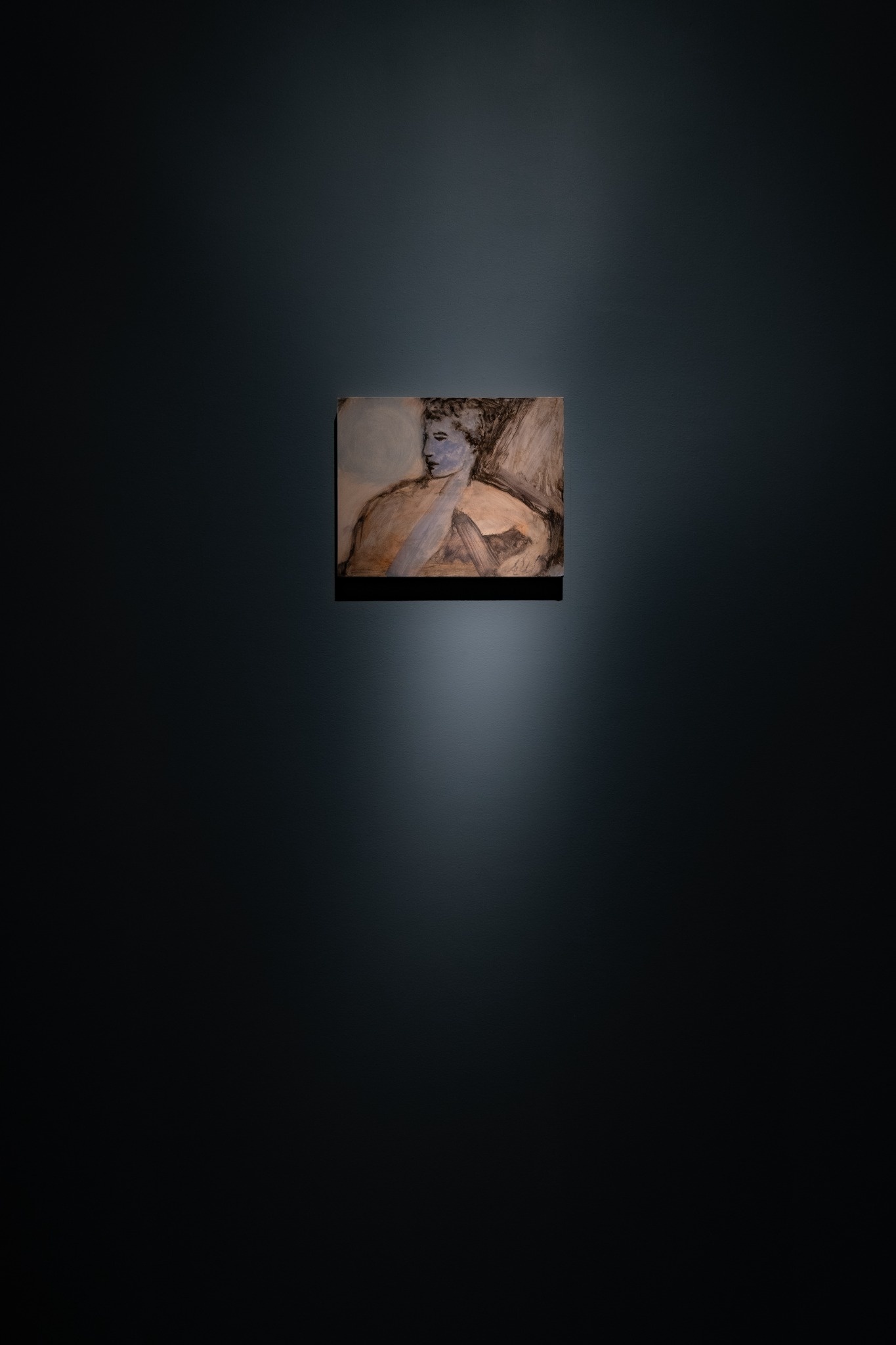
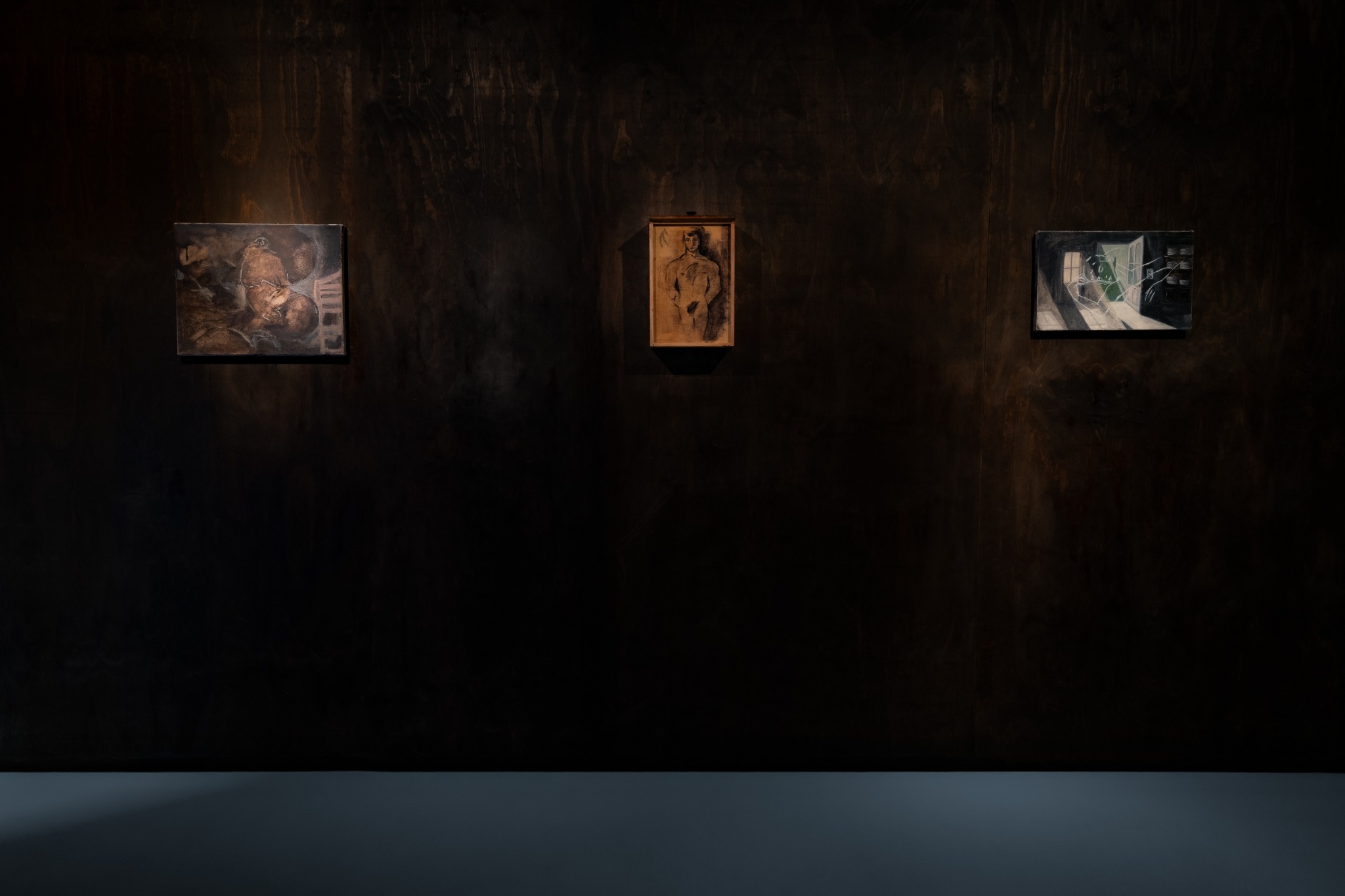
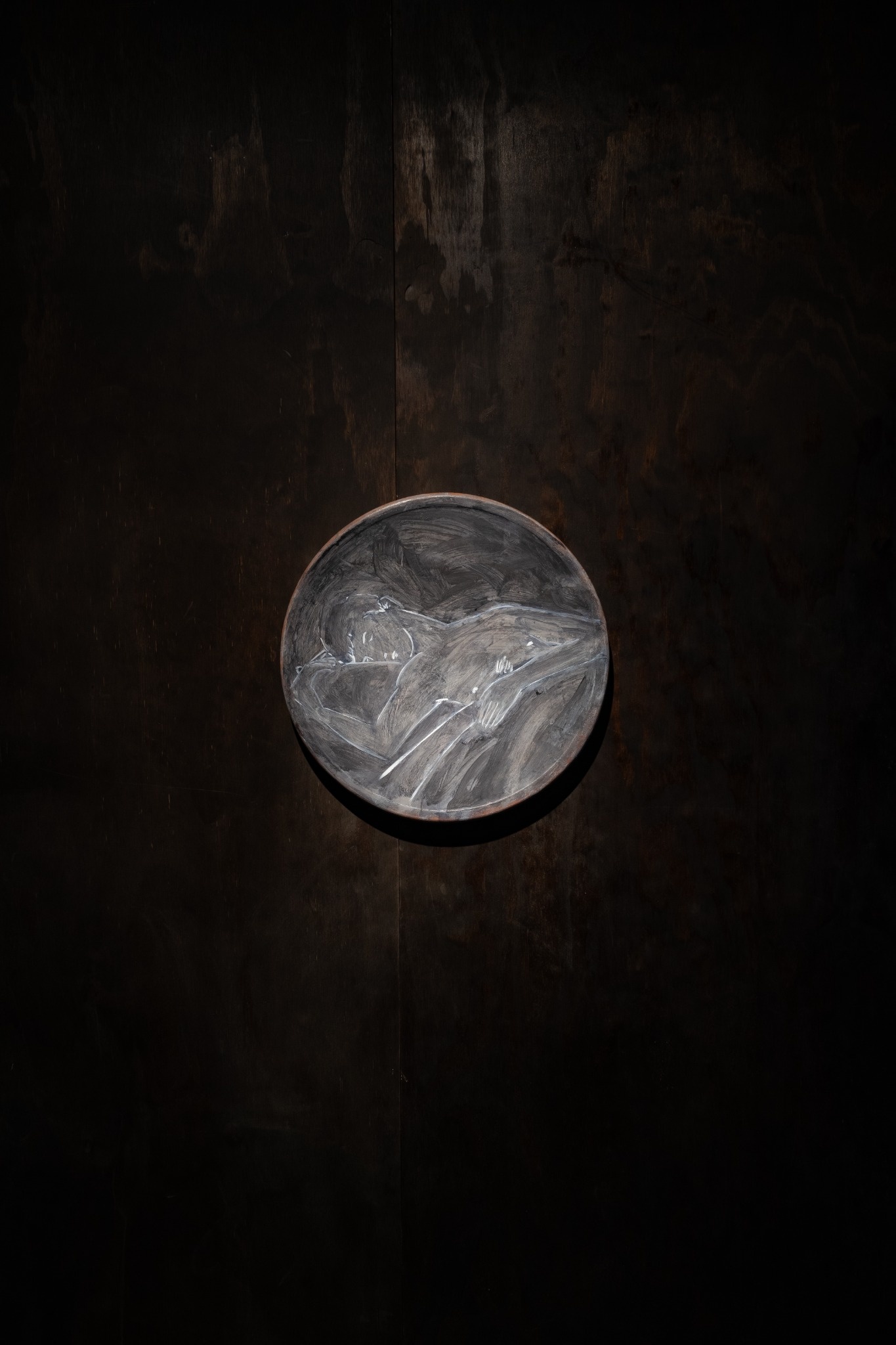
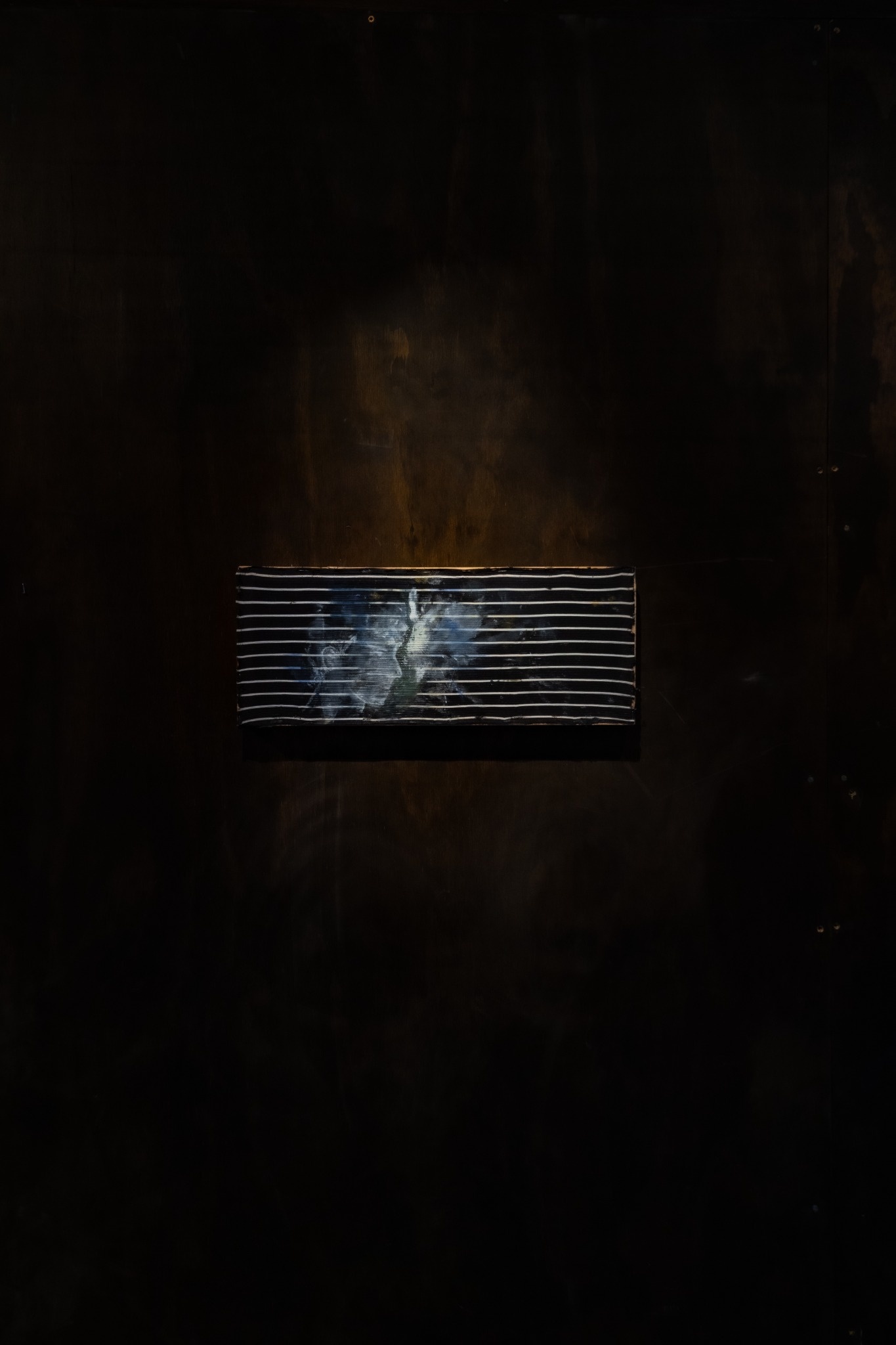
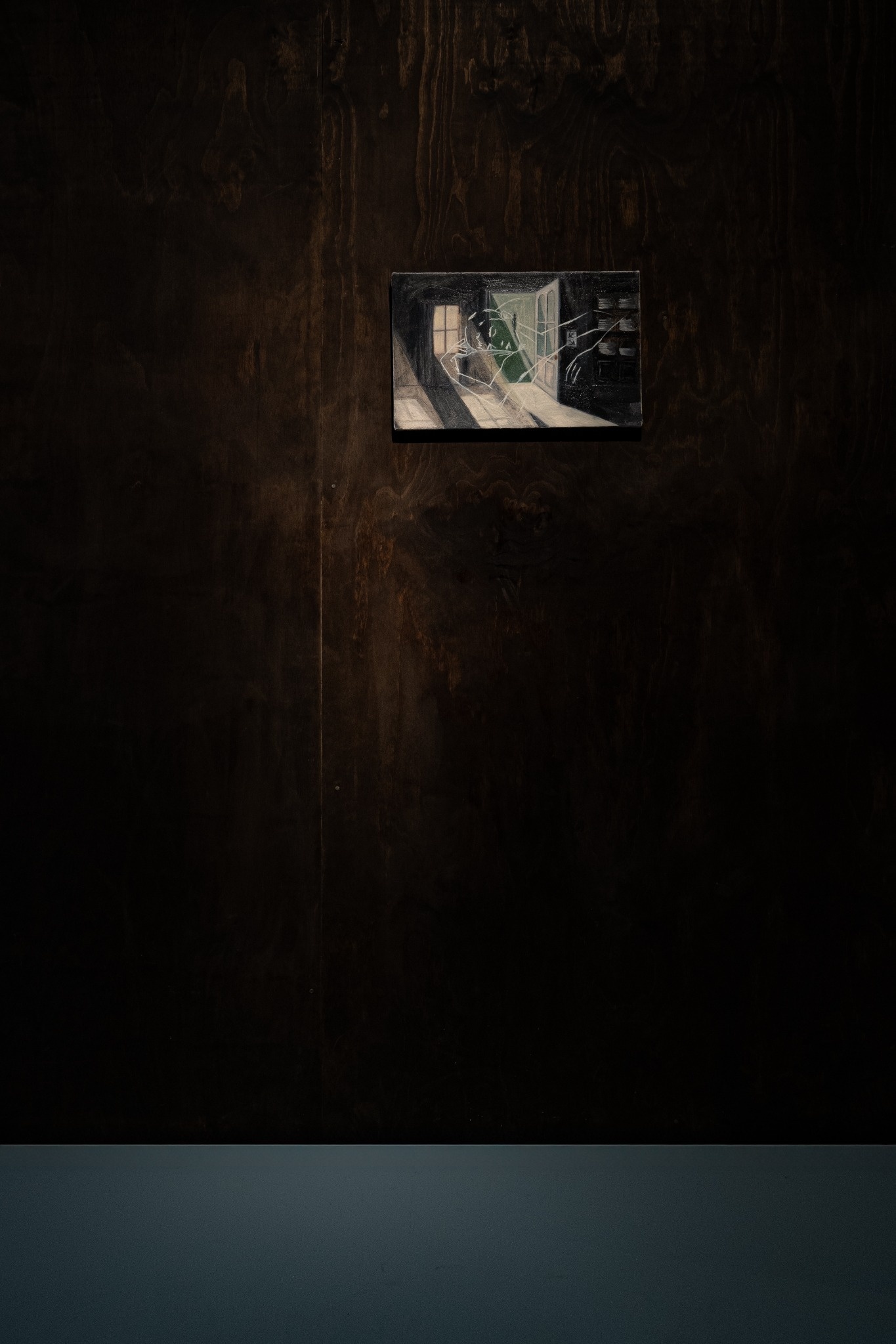
Thew Smoak's paintings appear sedimented in this way, made up of the layers of what was there – a canvas, a tea towel, a wooden drawer – and what wasn't: a room, a bed, the outline of the last person who wordlessly checked out of your orbit, leaving you to wonder. As humans we tend to want to deduce some kind of sense from the these fragments, extracting lines of causality, reading serendipity as fate, or pathetic fallacy.
But I wonder whether what is most difficult and most beautiful about so-called reality is not that the components of which it is made come together without a plan, or any meaning to unpack. What if, between the spotted tea towel and the sleeping figure in Smoak's painting, there is only the node of selfhood through which the two happened to pass? Here, anyway, is where Smoak's paintings leave you: gracefully, patiently and without resolution. Reality is a stack of places you didn't go and feelings that escaped you, and the evening is when they all wash up for you to take stock.
51 Monroe Street,
New York